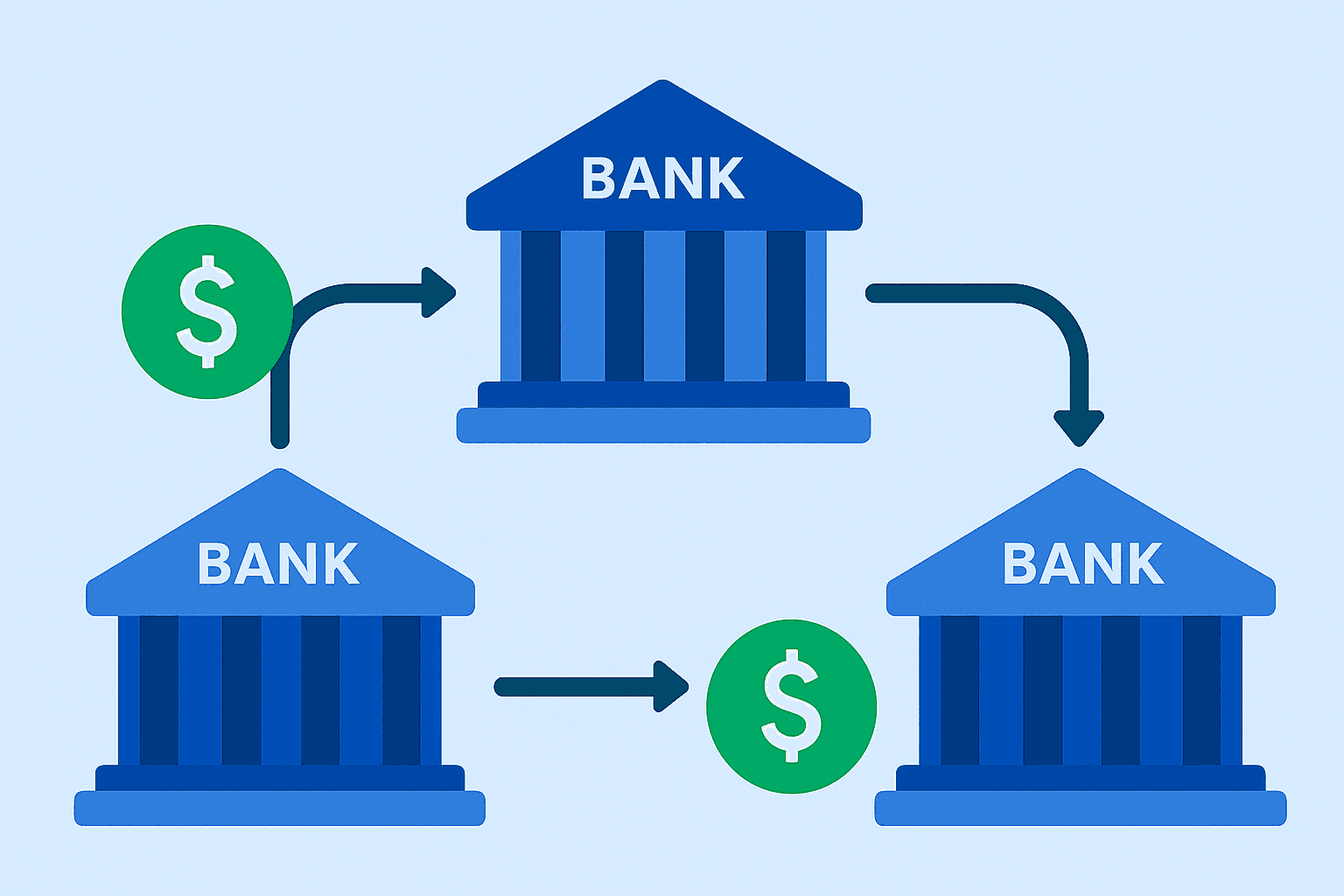
What is Cartage in Shipping? Types, Fees & Documentation

TL;DR - Summary
- What is cartage? - Cartage is the short-distance road movement of goods within a city or metro area, usually under 50 km. It's the local leg that picks up your cargo from a port, CFS, or warehouse and moves it the last stretch to its destination.
- How is cartage different from freight? - Freight is the long-haul leg that moves goods across cities, states, or countries by ship, air, rail, or truck. Cartage handles only the short local movement that connects that freight to its final stop, using vans and box trucks rather than large rigs.
- What are the main types of cartage? - The common split is inward (on goods you buy) versus outward (on goods you sell), plus local, terminal, pier, import, export, and port cartage. For Indian exporters, outward cartage matters most, since it's the trucking cost of moving goods from your factory to the export port.
- What decides cartage fees? - Distance, weight and volume, type of goods, fuel prices, and accessorial services like liftgate delivery. Unlike fixed ocean freight, these charges fluctuate, and poor scheduling can trigger demurrage that costs more than the cartage itself.
- How does cartage affect exporters, and how do you cut it? - Outward cartage is a selling expense that directly reduces margin and is easy to underestimate on thin-margin shipments. The biggest lever to reduce it is consolidating shipments, alongside optimized packaging and smarter route planning.
What Is Cartage in Shipping?
Cartage is the short-distance movement of goods, usually by road, within the same city or metro area. It's not built for moving cargo across states or countries.
Your goods travel across oceans or continents by ocean or air freight, then cartage picks them up from there. Say a container lands at a port or a Container Freight Station (CFS). Cartage is what moves that shipment the last stretch, often just 50 km or less, to a nearby warehouse or distribution point.
The vehicles used are suited to this short-haul job. Box trucks and vans handle cartage, not the massive rigs built for hauling full containers over long distances.
⚠️ COMMON MISCONCEPTION
People often use cartage and freight interchangeably. They're not the same. Freight covers the long-haul, multi-city, cross-border movement of goods. Cartage handles the short, local leg that gets those goods to their final stop.
What Are the Different Types of Cartage?
The different types of cartage include inward and outward cartage, local cartage, terminal cartage, pier, import, export, and port cartage, and combined THC. Which one applies depends on where your goods sit in the shipping chain. Here's how they break down.
Inward and outward cartage
- Inward cartage covers the loading and unloading charges on goods you've purchased, basically the cost of receiving stock.
- Outward cartage covers the same charges, but on goods you're sending out to buyers.
Local cartage
This is the everyday version most businesses deal with: moving goods within a close radius, usually inside a single city or commercial area, using small vans or trucks.
Terminal cartage
Terminal cartage covers movement within or between terminals, and it splits into three types:
- Inter-terminal: shifting cargo between different terminals within the same hub.
- Intra-terminal: moving cargo around inside a single terminal for sorting or temporary storage.
- Expedited terminal: prioritizing speed to hit strict deadlines between terminals.
Pier, import, export, and port cartage
These types map closely to where your goods sit in the shipping journey.
- Pier cartage moves goods from ships to storage or onward transport, handling that sea-to-land handoff.
- Import cartage takes goods from the CFS at the import port to the importer's local warehouse.
- Export cartage does the reverse: moving cargo from an inland origin to the CFS before it gets consolidated for ocean shipment.
- Port cartage strictly stays within port limits, such as moving goods between the wharf and the CFS.
Combined THC (Terminal Handling Charge)
Some ports bundle cargo handling at both the origin and destination into a single fee instead of billing them separately. Worth checking which model your port uses, since it changes how you read your invoice.
💡 QUICK INSIGHT
For Indian exporters, outward cartage is the one you'll run into most. It's the local trucking cost of getting goods from your factory or warehouse to the export port, and it's worth tracking separately from your ocean freight costs.
When Should Businesses Use Cartage Services?
Businesses should use cartage services for last-mile delivery, LCL shipments, transfers between local facilities, urgent or special-handling deliveries, and e-commerce and retail fulfillment. In each case the job is the same: short, local movement. Here's where it earns its place in a shipping operation.
Last-mile delivery
Getting goods from a distribution center or warehouse to a retail store or end customer within a city is a classic cartage job. Urban delivery deadlines are tight, and cartage is built for exactly that kind of short, fast turnaround.
LCL shipments
Not every business has enough volume to fill a full container. For LCL (Less than Container Load) shipments, cartage moves smaller loads to a CFS, where they get consolidated with other shipments before heading onward.
Transfers between local facilities
If your business runs multiple locations within the same logistics hub, terminals, ports, or warehouses, cartage handles the movement between them.
Urgent or special-handling deliveries
Shorter distances mean fewer handoffs and less time in transit, which lowers the risk of damage. That makes cartage a solid fit for fragile, high-value, or time-sensitive goods that require close monitoring en route.
E-commerce and retail fulfillment
As online order volumes climb, the pressure to fulfill fast climbs with it. Cartage is what connects fulfillment centers to local customers, keeping that last leg quick.
What are Cartage Fees and Documentation?
Cartage fees are the charges for moving your goods locally, covering more than just the truck and driver, while cartage documentation is the set of records that support each transaction, mainly the delivery note, Proof of Delivery, invoices, and any special permits. Here's how both work.
The meaning goes beyond just paying for a truck and driver. Heavier or bulkier shipments often require larger vehicles or specialized handling, which pushes fees up.
There's also a documentation cost. If you're shipping restricted goods, cartage fees include the costs of processing the legal paperwork those goods require, not just the cost of moving the vehicle from point A to point B.
What documents are required for cartage?
A few documents come up on nearly every cartage transaction:
- Cartage order or delivery note: lays out the shipment details, pickup location, and delivery destination.
- Proof of Delivery (POD): a signed confirmation that goods reached where they were supposed to. This one matters most if a dispute comes up later.
- Invoices: cover billing and payment between you and the cartage provider.
- Special permits are needed for restricted goods, such as hazardous materials, or for deliveries into restricted zones.
What Factors Affect Cartage Charges and Fees?
Cartage charges are affected by distance, weight and volume, type of goods, accessorial services, fuel prices, mode of transportation, wait time fees, and demurrage and detention. Together these variables decide what you'll actually pay. Here's how each one moves the number:
- Distance: longer local routes eat more time and fuel, and that shows up directly in the fee.
- Weight and volume: heavier, bulkier shipments need more labor and equipment to move, so costs scale up with them.
- Type of goods: hazardous materials need specialized equipment and handling, which pushes fees above standard rates.
- Accessorial services: extras like liftgate delivery or inside delivery add to the final bill.
- Fuel prices: when fuel costs rise, that gets passed straight through to your cartage fee.
- Mode of transportation: air-based cartage costs more than road-based cartage, even over the same local distance.
- Wait time fees: if a truck sits longer than the set window at a CFS or warehouse, hourly charges start stacking up.
- Demurrage and detention: bad scheduling on the cartage side can trigger container overruns, and those costs compound well past the original cartage fee.
💡 QUICK INSIGHT
Unlike ocean freight, cartage fees aren't fixed. They move with fuel surcharges, wait times, and whatever accessory add-ons apply. If you're not itemizing these upfront, they're hard to predict and easy to get blindsided by on the final invoice.
What is the Process of Cartage in Shipping?
The cartage process
Hover over a step to see the detail.
Scheduling and order placement
Business books the job with pickup and drop locations.
Pickup and loading
A local truck or van collects and loads the shipment.
Local transportation
The short leg linking long haul freight to the destination.
Delivery and unloading
Goods arrive, get unloaded and inspected if needed.
Confirmation and documentation
Proof of delivery signed and condition reports filed.
In short: a cartage shipment is booked, picked up and loaded, moved a short distance locally, delivered and unloaded, then closed out with proof of delivery and paperwork.
The cartage process runs through five steps: scheduling and order placement, pickup and loading, local transportation, delivery and unloading, and confirmation and documentation. It's a fairly predictable sequence. Here's how a shipment typically moves through it.
Step 1: Scheduling and order placement
It starts with the business placing a cartage request that specifies pickup and delivery locations. Getting this scheduling right upfront matters more than it seems, since a mistake here tends to ripple into delays further down the supply chain.
Step 2: Pickup and loading
The cartage provider sends out a local truck or van to collect the shipment. How well the cargo is loaded here affects everything that follows, since poor loading is one of the more common causes of transit damage.
Step 3: Local transportation
Goods move over a short distance, usually within a city or region. This is the leg that connects the long-haul journey (ocean or air freight) to wherever the goods are actually headed.
Step 4: Delivery and unloading
Once goods arrive, they're unloaded and inspected if needed. Timing carries real weight here, especially for businesses running just-in-time (JIT) supply chains, where even a small delay at this step can throw off downstream operations.
Step 5: Confirmation and documentation
The process wraps up with proof of delivery, either a digital signature or a paper POD, along with any cargo condition reports the shipment requires. This step protects you if a dispute arises later.
Cartage vs. Drayage vs. Freight: Key Differences
These three terms are often mixed up, but they cover different jobs. Distance, function, vehicles, and documentation all vary between them.
| Feature | Cartage | Drayage | Freight |
|---|---|---|---|
| Definition | Short-distance transport within a city | Short-distance movement at ports/rail yards | Long-distance transport (regional/national/international) |
| Typical use | Local deliveries, warehouses to stores | Moving containers between terminals and ports | Bulk shipments across cities, states, or countries |
| Distance | Usually under 50 km | Usually under 80 km | Hundreds or thousands of kilometres |
| Vehicles used | Small trucks, vans | Trucks with chassis for containers | Trucks, trains, ships, planes |
| Documentation | Delivery notes, POD, invoices | Dock receipts, interchange receipts | Bills of lading, freight invoices |
| Main focus | Last-mile/first-mile logistics | Port/rail terminal operations | Large-scale, long-haul transport |
A couple of other differences worth knowing.
On handling: drayage moves entire containers without opening them, so handling stays minimal. Cartage can involve multiple handoffs, especially if goods are being distributed to several locations within a city.
On paperwork: drayage requires a Bill of Lading. Cartage runs on simpler documents, delivery receipts, and cartage advice slips.
✅ PRO TIP
If you're moving a large international container from a port straight to a distribution center, that's drayage. If you're handling smaller, last-mile deliveries within a city, that's cartage. Getting this distinction right up front saves confusion when you're comparing quotes from providers.
How Do Cartage Costs Affect Export Profitability?
Cartage costs affect export profitability in four ways: direct margin reduction, hidden accumulative costs, delay-triggered costs, and volume and product constraints. For exporters running on thin margins, cartage isn't a rounding error. It shapes the bottom line more than most people expect.
Direct margin reduction
Outward cartage is reported on the income statement as a selling expense and directly eats into net profit. On slim-margin exports, a spike in local trucking rates or fuel surcharges can wipe out the entire profit on a single shipment.
Hidden accumulative costs
Cartage almost never stays at the flat rate you were quoted. Distance, cargo weight, accessorial services like liftgate or inside delivery, and specialized handling for items like hazardous materials all add to the base quote, pushing the final fee higher.
Delays trigger additional costs
Cutting corners on transport quality comes at a cost. Relying on low-quality regional networks increases the risk of penalties, demurrage, and detention charges, all compounding the original cartage fee.
Volume and product constraints
As cartage costs climb, they take up a bigger share of revenue. This pushes exporters toward lighter, higher-value goods, since heavy or bulky products no longer make financial sense once cartage eats too much of the margin.
⚠️ COMMON MISCONCEPTION
New exporters often calculate margins using just production costs and ocean freight. Outward cartage, the cost of moving goods from the factory to the export port, gets left out entirely. That's a guaranteed shortfall, and it means realized profit ends up lower than what was projected on paper.
How Can You Reduce Cartage Costs in Shipping?
You can reduce cartage costs by optimizing packaging and palletization, consolidating shipments, using digital aggregators and choosing Incoterms strategically, and improving route planning. Cartage costs aren't fixed, and there's real room to bring them down if you're deliberate about these areas.
Optimize packaging and palletization
Pack items tightly in right-sized boxes to reduce dimensional volume. Make sure pallets are stackable too, so carriers can maximize vehicle capacity. Both add up to better leverage when you're negotiating per-unit costs.
Consolidate shipments
Frequent small batches are one of the quickest ways to overspend on cartage. Combine smaller orders into fewer, larger shipments to get better vehicle utilization. If you don't have enough volume for a full truckload or container, ask your forwarder about LCL options rather than defaulting to smaller, more frequent loads.
Use digital aggregators and choose Incoterms strategically
A multi-carrier strategy or shipping aggregator lets you route goods through the most cost-effective local courier rather than defaulting to one provider. On the import side, consider FOB (Free on Board) instead of CIF (Cost, Insurance, and Freight). FOB keeps you in control of logistics and helps you avoid unexpected fees that show up on the destination side.
Improve route planning
Route optimization tools help you sidestep city congestion, toll zones, and idle time, all of which quietly inflate cartage bills. For local and regional legs, ground shipping is usually the smarter default than expedited air freight, unless speed is genuinely critical.
✅ PRO TIP
If you only fix one thing, fix consolidation. Fewer trips, better vehicle fill rates, and a stronger negotiating position with carriers make it the single highest-impact lever for cutting cartage costs.
How Does Skydo Help?
Every international order comes with two places where money quietly leaks out: logistics costs (including cartage) and payment processing fees. You've now got a handle on the first one. The second is just as easy to overlook.
Traditional payment routes, banks, and PayPal tend to charge 5 to 8% in hidden fees through FX markups and transfer charges. Skydo works differently. It charges one flat, disclosed fee with nothing hidden in the exchange rate.
Here's what that looks like: under $2,000, it's a flat $19. Between $2,000 and $10,000, it's a flat $29. Above $10,000, it's 0.3%. That number remains predictable no matter how many surprises arise on the logistics side.
A few other things that come with it:
- Free virtual accounts in USD, EUR, GBP, SGD, AUD, and CAD, plus International SWIFT, with no setup cost. Onboarding takes 10 to 15 minutes.
- Free FIRC/FEMA certificates on every transaction, so you're not chasing a bank or relationship manager for compliance paperwork.
- No monthly fees. You pay only when you actually transact, so a slow month doesn't add to your costs.
If you're an exporter shipping goods internationally, Skydo Core is built for you. Selling on Amazon specifically? There's a dedicated product for that, too, Skydo for Amazon.
Is cartage the same as freight in shipping?
No. Cartage covers short local trips within a city, while freight covers long-distance movement across cities, regions, or countries.
How is cartage treated in accounting journal entries?
Is cartage taxable under GST in India?
Who pays cartage charges in export shipments?
How can exporters reduce cartage expenses on international orders?
What types of goods require special cartage handling?
Where do cartage fees commonly apply in an export shipment?
What is the difference between cartage and drayage for Indian exporters?
What documents should an Indian exporter keep for cartage transactions?