BACS vs CHAPS: Which Should Indian Businesses Prefer?

TL;DR - Summary
- What are BACS and CHAPS payments? - BACS and CHAPS are UK payment systems used for sending money in GBP. BACS is designed for regular, scheduled payments, while CHAPS is built for high-value, time-sensitive transfers.
- What are the similarities between BACS and CHAPS? - Both are regulated UK payment systems that move funds between bank accounts, operate on UK working-day schedules, and primarily support sterling payments.
- What is the difference between BACS and CHAPS? - BACS follows a three-working-day processing cycle and is generally cheaper, while CHAPS can settle payments on the same working day when submitted before the applicable cut-off and costs more.
- Which should an Indian business use: BACS or CHAPS? - BACS is generally suitable for regular payments when timing is flexible, while CHAPS is better for urgent, high-value payments where same-day settlement matters. The UK client usually chooses the payment method.
What Are BACS and CHAPS Payments?
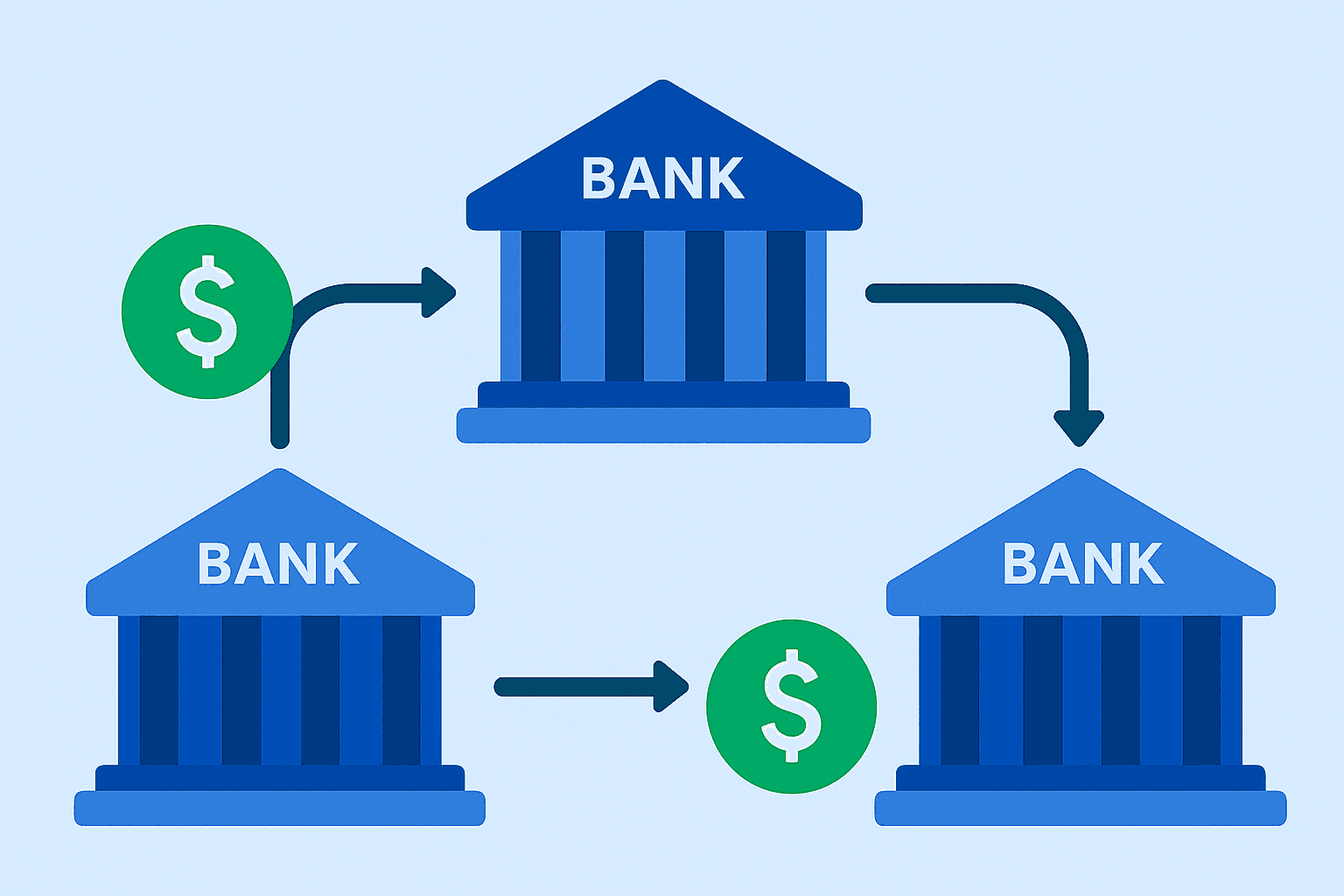
BACS and CHAPS are two important UK payment systems, each built for a different kind of transaction. BACS handles high-volume, lower-value batch payments, while CHAPS handles high-value, time-sensitive transfers.
BACS, i.e., the Bankers' Automated Clearing System, processes payments such as payroll and Direct Debits, taking three working days to settle from submission to credit.
CHAPS, i.e., the Clearing House Automated Payment System, works differently. Transfers settle on the same working day when submitted within the applicable cut-off, which is why it suits property completions and other large business payments where waiting three days is not practical.
BACS is a domestic UK payment system for sterling payments. CHAPS primarily supports UK sterling payments but can also process cross-border sterling transactions.
BACS vs CHAPS: What Are the Similarities?
BACS and CHAPS share several features as UK payment systems, even though they are designed for very different payment needs. Both operate within the UK's regulated sterling payment infrastructure and ultimately settle funds between bank accounts.
- Sterling Payments: BACS is a domestic UK payment system for GBP transactions, while CHAPS is a sterling payment system that can also handle cross-border payments.
- Banking Details: UK payments can use standard account identifiers such as a sort code and account number, although the exact details required can vary depending on the payment and banking arrangement.
- Bank-Account Settlement: Both systems move money through established banking infrastructure rather than operating as consumer digital wallets.
- Working-Day Operation: Both currently operate around UK working-day schedules, so weekends and relevant bank holidays can affect processing or settlement.
- Regulated Infrastructure: Both operate within the UK's regulated payments environment and use established banking controls and settlement infrastructure.
BACS vs CHAPS: Key Differences
BACS and CHAPS diverge sharply when it comes to processing time, cost, transaction limits, and how each payment is handled once it enters the system. Here is how:
| Feature | BACS | CHAPS |
|---|---|---|
| Primary use case | Regular, low-to-medium value batch payments such as payroll and utility bills | Urgent, high-value individual transactions such as property purchases and large business payments |
| Processing time | 3 working days (Day 1: Input, Day 2: Processing, Day 3: Settlement) | Same-day settlement when submitted before the applicable bank cut-off |
| Cost per transfer | Minimal, with business charges typically running to pennies per transaction | High compared with BACS; customer fees vary by bank |
| Transaction limits | No universal scheme-wide maximum; individual bank or provider limits may apply | No upper system limit, allowing very large transfers |
| Payment type | Direct Debits (pulling money) and Direct Credits (pushing money) | Push payments through the CHAPS system |
| Cancellation flexibility | Cancellation and recall depend on the payment's stage in the Bacs cycle and the applicable rules | Settlement provides irrevocable finality |
| Operating days | Monday to Friday, excluding UK bank holidays | Monday to Friday, excluding relevant UK bank holidays |
The three-day BACS cycle follows a fixed structure worth planning around. Input happens on day 1, when the payment is submitted. Processing follows on day 2, and settlement, when the funds are credited, takes place on day 3. For an Indian business waiting on a UK payment, that timetable sets the expected processing window.
CHAPS has no upper system limit, thereby making it suitable for very large one-off transfers such as a UK buyer settling a high-value export order. That speed and scale come with a higher cost. A CHAPS payment reaches irrevocable finality at settlement, so a payment sent using the wrong details cannot simply be reversed through an automatic cancellation process.
BACS has its own cancellation and recall procedures before settlement, depending on where the payment is in the processing cycle.
Which Should Indian Businesses Prefer, BACS or CHAPS?
Indian businesses trading with the UK should choose between BACS and CHAPS based on the nature and urgency of the payment, rather than treating one system as better overall.
BACS and CHAPS are UK payment systems, so they are not used for domestic Indian transactions. For local Indian payments, businesses use systems such as NEFT, RTGS, and UPI. BACS and CHAPS matter when an Indian business is receiving a payment from a UK-based client or partner.
When to Prefer BACS:
- Best for recurring, scheduled, or high-volume payments: BACS works well when payments can follow a planned schedule, such as a UK company paying a recurring monthly service fee to an Indian vendor.
- Key characteristics: Payments follow a three-working-day cycle and generally cost very little, making BACS well suited to payroll and other scheduled supplier payments.
- Best when timing is flexible: BACS makes more sense when the exact arrival date is not critical and keeping transaction costs low is more important than receiving the money immediately.
When to Prefer CHAPS:
- Best for high-value, critical, one-off payments: CHAPS is designed for transactions where the payment needs to settle quickly, such as a UK buyer paying an Indian exporter for a large shipment.
- Key characteristics: Payments can settle on the same working day when submitted within the applicable bank cut-off. CHAPS has no upper system limit, while customer fees are considerably higher and vary by bank, typically around £25 to £30.
- Best when settlement date matters: CHAPS is more suitable when an Indian business needs funds settled on a particular day or is handling an unusually large transaction that requires same-day settlement.
Getting paid over CHAPS does not automatically mean the money reaches you faster. CHAPS only settles the UK leg quickly. When it actually lands in your Indian account comes down to your receiving provider's settlement process, not CHAPS.

How Does Skydo Help Receive Payments from the UK?
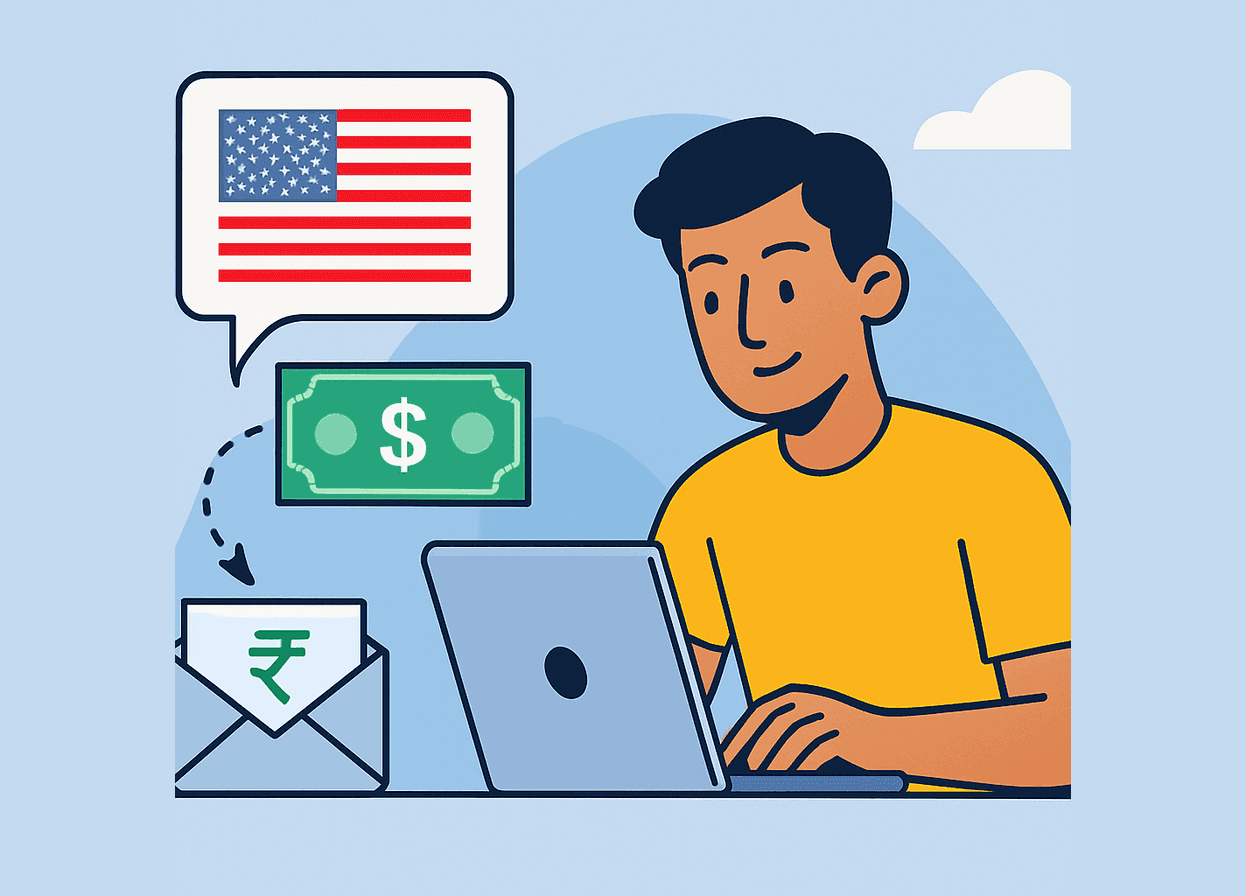
Indian exporters and freelancers receiving payments from UK clients can face extra costs and uncertainty with conventional international payment routes. Skydo helps Indian exporters and freelancers receive payments from UK clients by providing local UK GBP receiving details, thereby allowing clients to pay through BACS, CHAPS, or Faster Payments before Skydo settles the converted funds into an Indian bank account. This avoids the extra costs and uncertainty that can come with conventional international payment routes.
Skydo addresses the challenge by giving local UK receiving details, so the UK payment can be collected locally before the funds are settled into India. Alongside that,
- A free GBP virtual account gives a UK client local UK bank details to pay into. The client sends GBP, and Skydo settles the converted amount into the Indian business's bank account within 24 hours of receiving the funds.
- Whether the UK client pays through BACS, CHAPS, or Faster Payments, the payment can be made to the Skydo GBP account using local UK banking details. The Indian business then receives the funds through Skydo's settlement process, without needing to chase SWIFT copies or make relationship manager calls.
- Flat-fee pricing keeps costs predictable. Skydo's pricing does not add a percentage-based FX markup to the transaction fee. It charges a flat fee of:
Every transaction comes with a free instant FIRA certificate generated automatically. It provides documentation of the inward remittance for banking and compliance records without requiring a separate request.
eBRC closure assistance is also available. Businesses can link their DGFT account, bulk-upload shipping bills, and automatically map IRMs to generate eBRCs, thereby reducing the manual work involved in reconciling export payments.
Account setup takes about 5 minutes, with zero monthly fees. You pay only when you transact. Additionally, Skydo offers India-based support available through WhatsApp, phone, and email. Businesses can reach a local support team without navigating a global support queue.
Is BACS or CHAPS faster?
CHAPS is faster. It settles on the same working day when the payment is submitted within the applicable bank cut-off, while BACS follows a three-working-day processing cycle. The exact customer cut-off can vary by bank.
Can an Indian business receive a BACS payment directly in India?
Does the payment method (BACS or CHAPS) affect the FIRA the Indian business receives?
What is the cost difference between BACS and CHAPS for the UK sender?
Can a CHAPS payment be cancelled after it is sent?
Is there a transaction limit for BACS vs CHAPS?
Do BACS and CHAPS operate on weekends?
What is the UTR in the context of CHAPS, and why does it matter for Indian exporters?
How does Skydo handle GBP payments from UK clients?